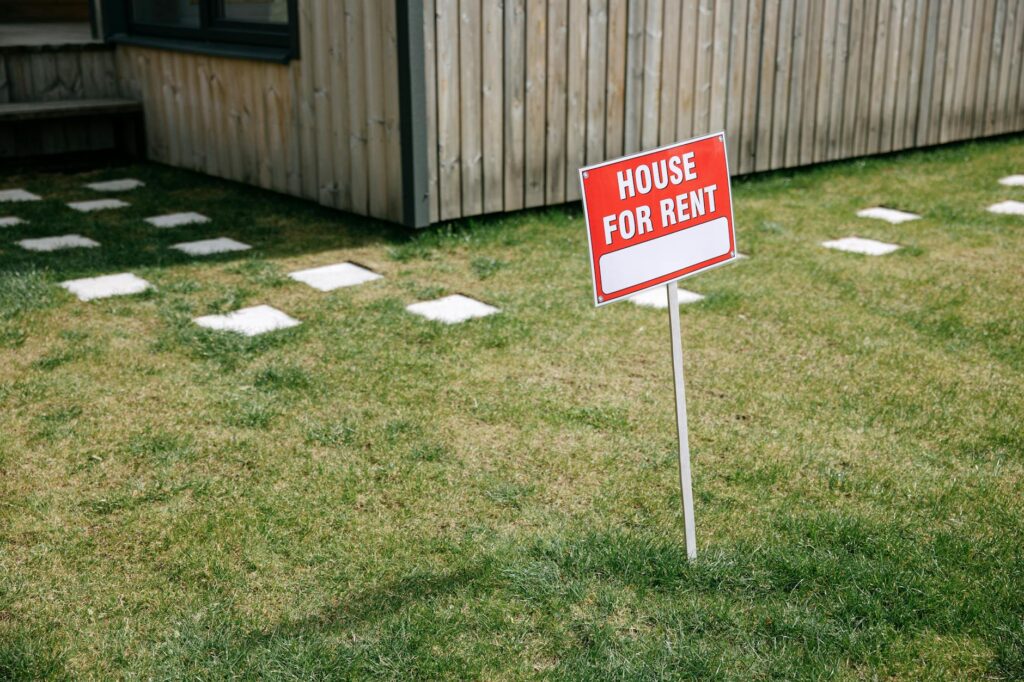
Deciding whether to buy a rental property requires analyzing multiple financial metrics beyond just the purchase price. By evaluating cash flow, return on investment, and market conditions, you can determine if a property will generate positive returns and fit your investment goals. This guide walks you through the essential evaluation steps.
Analyze Cash Flow and Operating Expenses
Cash flow is the lifeblood of rental property investing. It’s the monthly income remaining after you subtract all operating expenses from rental income. A positive cash flow means the property generates profit each month; negative cash flow means you’re paying out of pocket.
Calculate your projected monthly rental income based on comparable properties in the neighborhood. Then subtract:
- Mortgage payments (principal and interest)
- Property taxes
- Insurance premiums
- Maintenance and repairs (typically 1% of property value annually)
- Property management fees (8-12% of rental income)
- Vacancy costs (assume 5-10% of annual rental income)
- HOA fees or utilities you cover
If the remaining number is positive, the property generates income monthly. Most investors seek properties with cash flow between $200-$500+ monthly, though this varies by market and investment strategy. Properties in appreciating markets might tolerate lower cash flow initially, while value-add rentals prioritize strong cash flow from day one.
Calculate Key Investment Ratios and Returns
Beyond cash flow, several ratios help you compare properties and make data-driven decisions:
Cap Rate (Capitalization Rate): Dividing the annual net operating income by the property purchase price gives you the capitalization rate. A 5-7% cap rate is typical in many markets, though higher cap rates indicate greater annual returns. Cap rates vary significantly by location and property type, so compare within your specific market.
Cash-on-Cash Return: This measures the annual cash profit against your actual cash investment. If you invest $50,000 down payment and the property generates $6,000 in annual cash flow, your cash-on-cash return is 12%. Most investors target 8-15% cash-on-cash returns.
Price-to-Rent Ratio: Divide the property purchase price by annual rental income. A ratio under 15-18 suggests the property may be worth purchasing in many markets, while higher ratios indicate expensive properties relative to rental income potential. This ratio varies dramatically by region, so use it primarily to compare similar properties in your target area.
Debt Service Coverage Ratio (DSCR): Lenders require your annual net operating income to be at least 1.2-1.25 times your annual mortgage payments. This ensures you can cover loan payments even if vacancy or unexpected expenses occur. Calculate this as: Annual NOI ÷ Annual Debt Service = DSCR.
Evaluate Market Conditions and Location Factors
The best financial property metrics mean little if the market isn’t supportive. Evaluate these location factors:
Population and Employment Trends: Growing communities with stable or expanding job markets typically support rent increases and property appreciation. Research local employers and whether the area is attracting new residents. Declining populations often signal future rent pressure and valuation challenges.
Rental Demand and Vacancy Rates: Markets with low vacancy rates (under 5%) indicate strong tenant demand and pricing power. High vacancy rates suggest oversupply and potential downward pressure on rents. Check local apartment association data and online rental sites to gauge demand.
Property Condition and Deferred Maintenance: Factor in the true cost of repairs. Have a professional home inspection completed and get contractor estimates for any needed work. A property needing $30,000 in repairs is fundamentally different from turnkey real estate, even if the purchase price is identical. Account for these costs in your cash flow analysis.
Neighborhood Quality and Future Development: Properties near quality schools, parks, transit, and shopping centers typically rent better and appreciate faster. Research zoning changes and upcoming development that might impact the neighborhood positively or negatively. Avoid properties in declining neighborhoods or those facing negative future changes.
Comparable Sales and Appreciation Potential: Review recent sales of similar properties to understand the local market’s health. Markets with consistent 3-5% annual appreciation provide additional returns beyond cash flow. Markets with flat or declining values require stronger current cash flow to justify the investment.
How to Use the Rental Property Calculator
Rather than manually calculating each metric, use the rental property calculator to evaluate properties efficiently. Input the purchase price, down payment, loan terms, expected rent, and operating expenses. The calculator automatically computes cash flow, cap rate, cash-on-cash return, and DSCR—giving you instant clarity on whether a property meets your investment criteria.
Using a calculator prevents mathematical errors, saves time comparing multiple properties, and ensures you’re consistently evaluating each opportunity. Run different scenarios by adjusting rent estimates or expense assumptions to understand how market changes might impact your returns.
Frequently Asked Questions
What’s the minimum cash flow I should target for a rental property?
Most experienced investors target at least $200-300 monthly positive cash flow per property to account for unexpected repairs and vacancy periods. However, some investors accept lower or zero cash flow on appreciating properties in strong markets, gambling on future value increases. New investors should prioritize positive cash flow to reduce risk and build a sustainable portfolio. Your target depends on your risk tolerance, investment strategy, and market conditions.
Should I buy a property with negative cash flow?
Generally, avoid negative cash flow rental properties unless you have substantial reserves and expect significant appreciation or major value-add opportunities. Negative cash flow drains your reserves monthly, reduces your ability to invest in additional properties, and creates vulnerability if vacancy or major repairs occur. The exception might be purchasing a significantly undervalued property in an appreciating market where you plan to force appreciation through renovations, though this is more complex investing.
How much should I budget for maintenance and repairs?
Industry standards suggest budgeting 1% of the property’s purchase price annually for maintenance and repairs. For a $300,000 property, that’s $3,000 yearly ($250 monthly). However, older properties may require 1.5-2% annually, while newer homes might need less. Include this estimate in your cash flow calculations to ensure accurate projections. Building a maintenance reserve separate from your cash flow helps cover unexpected expenses without disrupting your investment strategy.
- Real Estate Investment Calculator Software — Directly supports the post’s focus on analyzing financial metrics and evaluating rental properties through calculations
- Real Estate Analysis Books — Provides deeper education on evaluating cash flow, ROI, and market conditions for rental property decisions
- Property Management Software — Essential tool for managing rental properties once purchased and tracking the financial metrics discussed in the post
Related reading: Understanding Rental Property Cash Flow Basics.