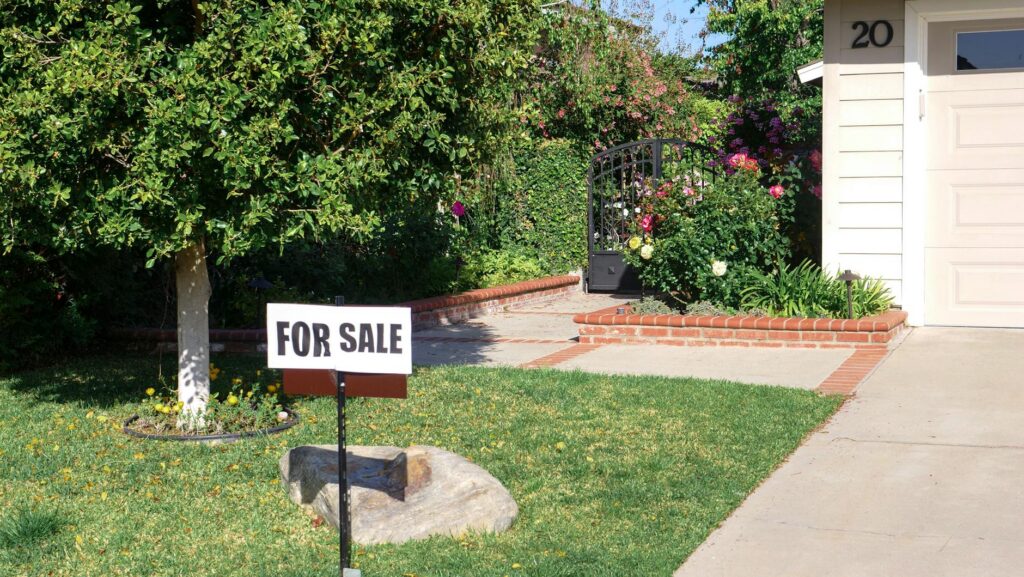
House hacking is a real estate strategy where you purchase a multi-unit property, live in one unit, and rent out the others to cover your mortgage and expenses. This approach allows you to build equity while potentially living rent-free or nearly rent-free, making it one of the most effective wealth-building strategies for first-time investors.
What Is House Hacking and How It Works
House hacking fundamentally changes the economics of homeownership by turning your primary residence into an income-producing asset. Instead of carrying a mortgage as a pure expense, you’re using rental income from other units to offset or eliminate your housing costs entirely.
The basic concept involves purchasing a property with 2-4 units (duplex, triplex, or fourplex). You occupy one unit as your primary residence and rent out the remaining units to tenants. The rental income from those units flows directly back to you, covering your mortgage payment, property taxes, insurance, maintenance, and utilities.
The genius of house hacking lies in FHA financing. Because you’re living in one unit as your primary residence, you qualify for favorable FHA loans with as little as 3.5% down payment. This dramatically lowers your entry barrier compared to purchasing a traditional investment property, which typically requires 20-25% down.
Beyond the financial mechanics, house hacking serves as practical real estate education. You’ll learn property management, tenant relations, maintenance issues, and local market dynamics—all invaluable knowledge for scaling your real estate portfolio later.
Finding the Right Property and Running Numbers
Success in house hacking depends on selecting the right property in the right market. Your primary criteria should be finding an area with strong rental demand and favorable rent-to-price ratios that allow you to cover all expenses from tenant income.
Start by identifying markets where rental rates are high relative to property prices. A property that rents for $3,500 combined across units is far more attractive than one renting for $2,000 in an identical price range. Research local rent averages on market data platforms and compare them against comparable properties for sale.
When evaluating potential house hack properties, analyze these key metrics:
- Gross Rental Income: Calculate total potential rents from all units combined
- Operating Expenses: Budget for property taxes, insurance, maintenance (typically 1-2% of property value), utilities you cover, and vacancy reserves
- Mortgage Payment: Use FHA financing estimates to determine your monthly payment
- Cash Flow Analysis: Subtract all expenses and mortgage from total rental income to see if you break even or profit
- Cap Rate: Divide annual net operating income by purchase price to understand return on investment
A successful house hack property generates enough rental income to cover 100% or more of your housing costs. Ideally, you’re targeting properties where combined unit rents cover mortgage, taxes, insurance, and maintenance, leaving you debt-free housing plus potential positive cash flow.
Location matters significantly. Properties in emerging neighborhoods or areas with strong job growth often appreciate faster and attract quality tenants. Avoid oversaturated rental markets where competition drives rents down below your operating cost thresholds.
Managing Tenants and Scaling Your Strategy
Once you’ve purchased your house hack property, professional management becomes critical. Even though you live on-site, treat your rental units like a business investment. Establish clear lease agreements, maintain detailed financial records, and enforce consistent rental policies.
As an owner-occupant, you have advantages over traditional landlords. You can respond quickly to maintenance issues, screen tenants thoroughly, and address problems before they escalate. This proximity typically results in higher-quality tenant relationships and faster issue resolution.
The real power of house hacking emerges in your exit strategy. After 1-3 years of building equity and experiencing property appreciation, you have options:
- Refinance and Extract Equity: Pull out accumulated equity to fund your next property while keeping your current house hack as an investment property
- Sell and Upgrade: Sell at a profit and use proceeds for a larger property or portfolio expansion
- Keep as Rental: Convert your primary residence into pure investment property once you move, continuing to collect full rental income
- HELOC Strategy: Establish a home equity line of credit against your property’s increased value for future investments
Many successful real estate investors built their entire portfolios starting with a single house hack. The strategy provides living experience, cash flow knowledge, and equity growth simultaneously—a rare combination that accelerates wealth building.
Calculate Your House Hack Investment Potential
Understanding the financial impact of house hacking requires accurate calculations of mortgage payments, rental income coverage, and long-term equity building. Our mortgage calculator helps you model different scenarios, down payment amounts, and loan terms to determine whether a property works as a viable house hack.
Input your potential purchase price, estimated down payment percentage (typically 3.5% for FHA), interest rate assumptions, and property tax estimates. This provides your baseline monthly mortgage obligation. Then compare this against your projected combined rental income to confirm the property covers your costs or generates positive cash flow.
Frequently Asked Questions
Can I house hack if I don’t have much money saved?
Yes. FHA loans for primary residences require only 3.5% down payment, significantly lower than the 20-25% needed for investment properties. If you can save $10,000-$15,000, you may qualify for an FHA loan on a $300,000+ property. However, you’ll still need closing costs (2-5% additional) and reserves for emergencies. Many house hackers save $20,000-$25,000 total to ensure they have cushion for unexpected expenses.
What if my tenants don’t pay rent?
Tenant payment issues are risks in any rental situation. Minimize this risk through thorough tenant screening, including credit checks, income verification (typically requiring 3x monthly rent), and previous landlord references. Require security deposits equal to one month’s rent. Consider obtaining rental payment insurance or establishing clear late-fee policies. Most tenant payment problems arise from poor screening rather than truly unpredictable circumstances.
How long should I house hack before moving to the next property?
Most successful house hackers hold their properties 2-3 years minimum. This timeframe allows sufficient mortgage principal paydown and property appreciation to build meaningful equity. It also provides enough operating history to refinance or establish credibility for additional property purchases. Some investors hold longer if the property continues generating strong returns, while others move after 1-2 years if they find superior opportunities elsewhere.
- Real Estate Investment Analysis Software — House hackers need tools to analyze multi-unit property deals, calculate rental income vs. expenses, and determine profitability before purchasing
- Property Management Books & Courses — New house hackers managing rental units need guidance on tenant screening, maintenance, legal compliance, and maximizing rental income
- Home Inspection & Maintenance Tools Kit — House hackers should inspect multi-unit properties thoroughly before purchase and maintain them properly to ensure tenant satisfaction and long-term equity growth
Related: House Hacking: Live Free Using Real Estate Investment
Related: House Hacking: Live for Free Using Real Estate
Related: Beginner Guide to House Hacking