Climate risk is reshaping property valuations in 2025, with lenders, appraisers, and buyers increasingly factoring in flood zones, wildfire exposure, and extreme weather patterns. Understanding how environmental hazards affect your home’s value is essential for making informed mortgage and investment decisions. This guide breaks down the relationship between climate risk and property values so you can protect your financial interests.
Rising Flood Risk & Coastal Property Devaluation
Flooding has become the most costly natural disaster in America, and properties in high-risk flood zones are experiencing measurable value depreciation. In 2025, flood risk assessment is no longer optional—it’s a mortgage requirement. Federal Emergency Management Agency (FEMA) flood maps are being updated regularly, and many properties previously considered safe are now reclassified as moderate or high-risk.
Coastal properties face compounding challenges from sea-level rise, storm surge, and increased precipitation. Properties within a 100-year floodplain typically see 5-10% value reductions, while those in special flood hazard areas (SFHAs) can lose 15-25% of their value. Insurance costs spike dramatically for flood-prone properties, which directly impacts buyer affordability and lender confidence.
Mortgage lenders now require flood insurance in designated zones, and many are tightening lending standards in moderate-risk areas. This creates a cascading effect: higher insurance premiums reduce buyer purchasing power, lower demand pushes prices down, and appraisals reflect the increased risk. If you’re considering a property in a flood-prone area, expect limited buyer pool and potentially difficult resale scenarios.
Wildfire & Drought Impact on Home Equity
Wildfire risk is increasingly affecting property values across western states and regions prone to extended droughts. Insurance companies are pulling out of high-risk markets entirely, making it nearly impossible for homeowners to secure coverage at reasonable rates. Some California properties now face annual insurance premiums exceeding $5,000-$10,000, while others are deemed uninsurable by major carriers.
Properties within fire-hazard severity zones (FHSZs) experience reduced market appeal and lower appraisals. Lenders scrutinize these properties heavily, sometimes imposing additional requirements like defensible space clearance certificates or proof of fire-resistant construction. Uninsurable properties become virtually unmortgageable, which devastates their market value.
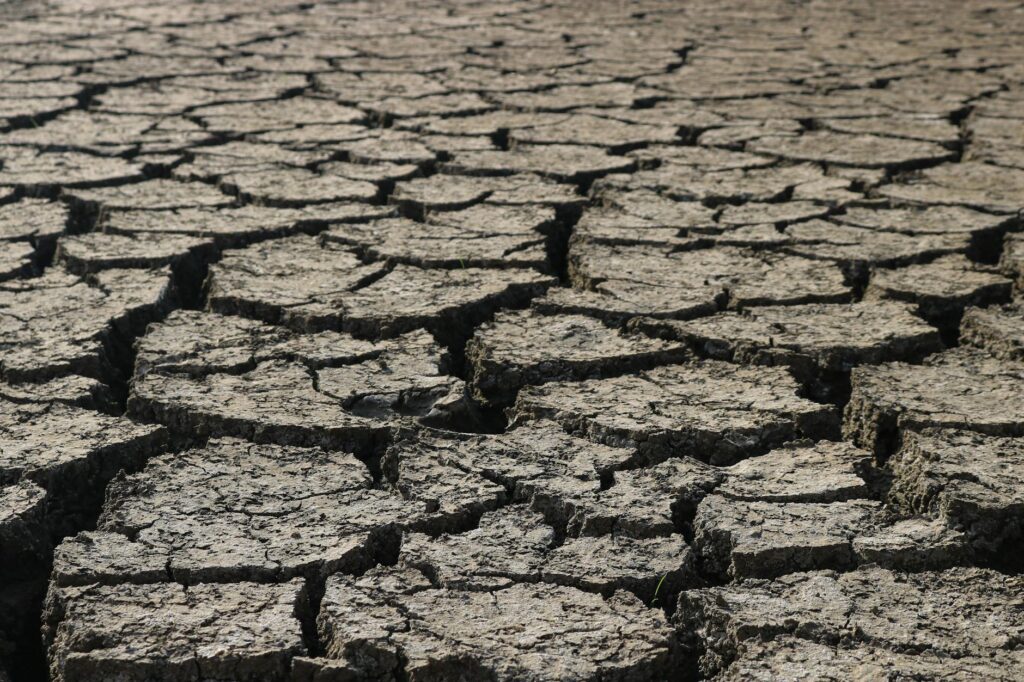
Drought conditions compound wildfire risk by lowering water tables and reducing property appeal in agricultural regions. Areas experiencing chronic water scarcity see property values stagnate while maintenance costs climb. In 2025, properties with reliable water access and low wildfire exposure command premiums, while those in compromised areas face significant headwinds.
Extreme Weather & Long-Term Market Trends
Increased frequency of hurricanes, severe thunderstorms, hail, and ice events has prompted insurers and lenders to reassess property risk comprehensively. Areas experiencing multiple extreme weather events in recent years see accelerated value depreciation as insurers raise premiums and restrict coverage. Homes requiring expensive roof replacements or structural repairs following storms can lose significant equity.
Climate modeling tools now integrate into property valuation workflows. Appraisers use climate risk databases to assess long-term resilience and project future insurance costs, which directly influences appraised values. Properties showing improved climate resilience—such as reinforced construction, updated roofing, or advanced drainage systems—command higher values and attract better mortgage terms.
Demographic shifts are accelerating as climate-aware buyers relocate away from high-risk zones. This “climate migration” creates pockets of declining demand in vulnerable areas while increasing competition in safer regions. Properties in low-risk climate zones are appreciating faster than historical averages, while high-risk properties lag significantly behind.
Use the Mortgage Calculator to Assess Climate-Risk Scenarios
When evaluating a property in a climate-sensitive area, it’s crucial to model how increased insurance costs and potential risk premiums affect your long-term affordability. Our mortgage calculator helps you input different insurance scenarios and see exactly how rising premiums impact your monthly payment and total loan cost. Simply adjust your property price, insurance estimates, and risk factors to compare climate-resilient properties against vulnerable ones. This calculation reveals the true cost of climate risk over your loan term.
Frequently Asked Questions
How much do climate-risk factors reduce property values?
Climate-risk reductions vary widely based on hazard type and severity. Properties in 100-year floodplains typically lose 5-10% of value, while those in special flood hazard areas or high wildfire zones can depreciate 15-30%. Uninsurable properties may lose 40-60% of value or become virtually unmortgageable. The impact depends on local market conditions, insurance availability, and specific risk exposure.
Will lenders approve mortgages for properties in climate-risk zones?
Yes, lenders will typically approve mortgages for properties in designated flood zones or fire-hazard areas, but with stricter requirements. You’ll need flood insurance for FEMA-designated zones, and some lenders require additional documentation, higher down payments, or imposed restrictions. However, truly uninsurable properties become extremely difficult to finance. Always obtain pre-approval before making an offer on any climate-exposed property.
Should I buy a climate-risk property if the price is lower?
Lower prices reflect genuine risk and operational costs. Before assuming a climate-risk property is a bargain, calculate total costs including insurance premiums, potential repairs, resale complications, and equity preservation risks. A property 15% cheaper but facing $8,000+ annual insurance costs may cost more over time. Prioritize long-term affordability, resale viability, and personal risk tolerance over short-term price advantages.
- NOAA Weather Radio with Alert System — Helps homeowners monitor extreme weather patterns and flood/wildfire alerts in real-time, directly supporting the climate risk assessment mentioned in the post
- Home Flood Detection & Water Leak Sensor System — Protects properties in flood zones by providing early warning of water damage, addressing one of the key climate risks (flood exposure) discussed in the guide
- Flood Insurance Quote Services (FEMA FloodSmart Affiliate) — Directly relevant as lenders increasingly require flood insurance verification in high-risk areas; helps property owners understand and obtain coverage for climate-related risks
Related: Climate Risk Affects Property Values in 2025
Related: Climate Risk Affects Property Values in 2025