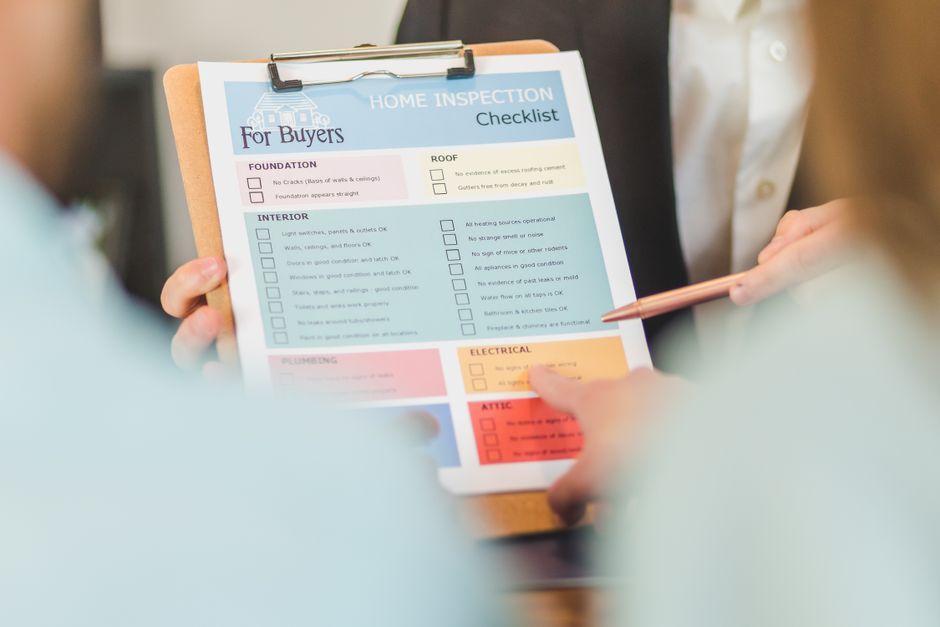
After a home inspection reveals issues, you can negotiate repairs by requesting the seller complete fixes, offer credits for you to handle repairs, or reduce the purchase price. Document all findings and prioritize major structural problems over cosmetic issues during negotiations. (Related: How Rising Mortgage Rates Impact Home Affordability: Calculator Tools for Buyers) (Related: Closing Costs Calculator: What Buyers & Sellers Must Know) (Related: Today’s Fixed Mortgage Rates: A Complete Guide for 2024 and Beyond) (Related: How to Calculate Home Equity and Leverage It for Investment Decisions in a High Interest Rate Environment) (Related: The Complete Guide to Budget for Home Repairs in 2026) (Related: Rocket Mortgage Home Loans: Complete Guide to Rates, Costs, and How to Compare)
Understanding Home Inspection Contingencies
A home inspection contingency is one of the most powerful protections a buyer has in a real estate transaction. This clause gives you the right to request repairs, renegotiate terms, or walk away entirely based on what the inspector finds — without losing your earnest money deposit.
According to HUD’s home buying guidance, buyers should always include an inspection contingency in their offer and hire a qualified home inspector before finalizing any purchase. This contingency typically gives you a defined window — usually 7 to 14 days — to complete the inspection and submit any repair requests to the seller.
What can you negotiate after a home inspection?
After an inspection, you can negotiate several outcomes. These include asking the seller to make specific repairs before closing, requesting a price reduction to offset repair costs, negotiating seller concessions inspection findings as closing cost credits, or a combination of all three. You can also ask for a home warranty to cover ongoing systems and appliances.
How to Request Repairs in Your Offer
The way you structure your repair requests matters significantly. A well-organized, prioritized repair request letter backed by the inspector’s written report carries far more weight than a vague ask for “everything to be fixed.”
Follow this methodology when preparing your repair requests after home inspection findings:
- Separate major from minor issues. Focus your formal requests on safety hazards, structural defects, roof damage, plumbing failures, and electrical problems. Cosmetic wear-and-tear rarely holds up in negotiation.
- Reference the inspection report directly. Quote specific page numbers and findings from the inspector’s report. This removes ambiguity and shows the seller you’re operating from objective data.
- Get contractor estimates. Before submitting your request, gather 1–2 written estimates for major repairs. This anchors your negotiation to real market costs rather than guesses.
- Request credits instead of repairs when possible. Seller-completed repairs are often rushed or use the cheapest contractors. A credit at closing lets you control the quality and timing of the work.
- Be reasonable and selective. Sellers are more likely to agree to repair requests when buyers aren’t asking for every minor item on the inspection list.
How much can you ask a seller to pay for repairs after inspection?
There is no universal cap on how much you can request, but requests typically range from 1% to 2% of the home’s purchase price in seller concessions or price reductions. On a $400,000 home, that’s $4,000 to $8,000. For significant structural or safety issues, buyers sometimes negotiate higher amounts — but the seller’s motivation to sell and the local market conditions will heavily influence what’s realistic.
Negotiation Strategies for Inspection Issues
Effective home inspection contingency negotiation requires both strategy and perspective. Here are approaches that consistently produce results:
Prioritize your list. Present a tiered repair request — categorized as “must fix,” “preferred,” and “optional.” This signals flexibility while protecting your core interests.
Use a price reduction over repairs when the market allows. In a buyer’s market, sellers may be more willing to reduce the purchase price. In a competitive market, a credit toward closing costs may be easier for them to agree to.
Leverage seller concessions inspection findings strategically. Rather than asking for a dollar-for-dollar reduction on every finding, focus your leverage on items where repair costs are high and visible — like a failing HVAC system or a damaged roof.
Avoid emotional negotiating. Keep all communication in writing and focused on documented repair costs. Sellers respond better to data-backed requests than emotional appeals.
Know your local market. In a seller’s market with multiple offers, repair negotiations become harder. In a balanced or buyer’s market, you have significantly more leverage.
Common Inspection Problems and Repair Costs
Understanding approximate repair costs helps you make informed repair requests after home inspection findings. Here are common issues and typical cost ranges:
- Roof replacement: $8,000 – $20,000+ depending on size and materials
- HVAC system replacement: $5,000 – $12,000
- Foundation repairs: $2,000 – $25,000+ depending on severity
- Electrical panel upgrade: $1,500 – $4,000
- Plumbing repairs: $500 – $5,000+ depending on scope
- Water heater replacement: $800 – $1,800
- Mold remediation: $500 – $6,000 depending on affected area
These figures are estimates based on national average contractor data and will vary by region, home size, and material costs in 2026. Always obtain multiple contractor bids before presenting your repair request.
When to Walk Away from Repairs
Sometimes the right negotiation outcome is no deal at all. Consider walking away if the seller refuses to address major safety issues, the repair costs significantly exceed your budget even after concessions, or if the inspection reveals foundation or structural damage that compromises long-term value.
Your home inspection contingency protects your earnest money deposit in these situations. According to HUD’s residential property standards guidance, certain safety and structural conditions represent genuine material concerns — not just negotiating leverage. If the seller won’t address code violations, active water intrusion, or significant electrical hazards, your contingency lets you exit cleanly.
Documentation and Timeline Considerations
Timeline management is critical in inspection negotiations. Once you receive the inspection report, you typically have a short contractual window to submit repair requests — often 3 to 5 business days. Missing this deadline can void your contingency rights.
Keep all repair negotiation in writing, including the initial request, the seller’s response, any counteroffers, and the final agreed resolution. A formal written addendum signed by both parties should document every agreed repair or credit before closing.
How to Use the Calculator
Before submitting your repair requests, it helps to understand exactly how a price reduction or closing cost credit affects your overall financing picture. Use the mortgage calculator at RealEstateCalcPro.com to run the numbers on adjusted purchase prices and see how different negotiation outcomes change your monthly payment, loan amount, and total interest paid over the life of the loan. Running these scenarios before negotiating puts you in a much stronger position at the table.
Frequently Asked Questions
Can a seller refuse to make any repairs after an inspection?
Yes. Sellers are not legally required to make repairs in most standard transactions. However, if your offer includes an inspection contingency, you retain the right to renegotiate the price, request credits, or walk away if the seller refuses to address your concerns.
Is it better to ask for a price reduction or a repair credit?
A credit at closing is often preferable because it lets you choose your own contractors and control the quality of repairs. A price reduction lowers your loan amount and
- Home Inspection Equipment Kit — Helps homebuyers understand inspection findings and document issues themselves before negotiating repairs
- Real Estate Contract Management Software — Assists in organizing and tracking inspection reports, repair estimates, and negotiation documentation during the repair negotiation process
- Home Repair Cost Estimation Guide/App — Provides accurate repair cost data to support negotiations by showing fair market prices for requested repairs versus seller credits
Related: 7 Proven Ways to Negotiate Inspection Repairs in 2026
Related: How to Flip Houses Successfully: 5 Proven Steps for 2026
Related: 7 Proven Strategies to Negotiate Inspection Repairs in 2026