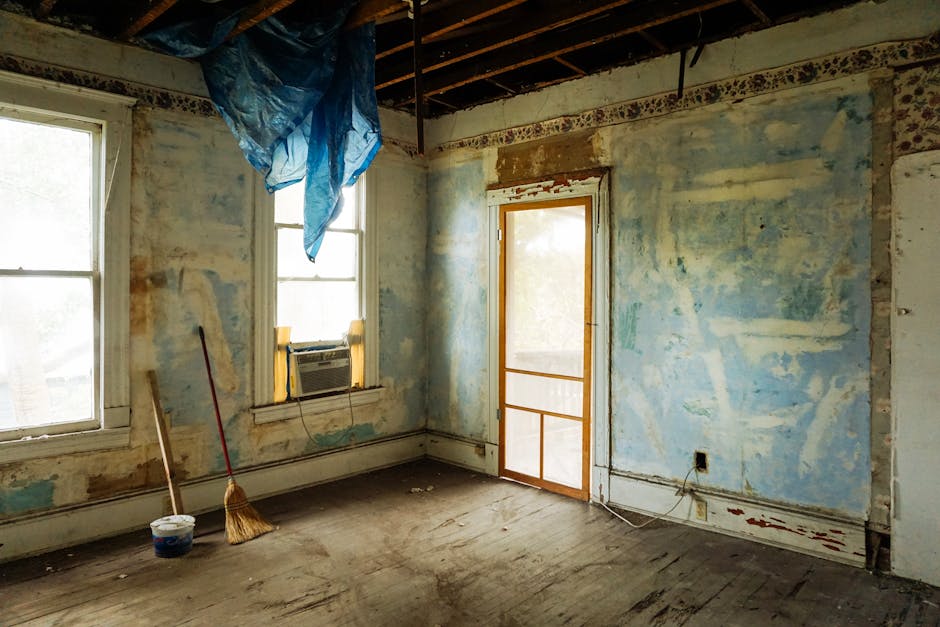
House flipping involves purchasing undervalued properties, renovating them, and reselling for profit. Success requires finding deals below market value, accurately estimating renovation costs, securing financing, managing timelines, and calculating ROI using reliable calculators to ensure profitability before committing capital.
What is House Flipping and How Does It Work?
House flipping has evolved into a legitimate real estate investment strategy that goes far beyond the television show narrative. At its core, the process involves identifying properties trading below market value, typically due to condition issues, motivated sellers, or market inefficiencies. You acquire the property, execute strategic renovations, and sell it within a defined timeframe—usually 6-12 months—for a profit.
The fundamental mechanics require understanding three interconnected elements: purchase price, renovation costs, and exit price. A successful house flipping strategy hinges on calculating the after-repair value (ARV) before you ever make an offer. This isn’t guesswork; it’s based on comparable sales in the area and current market conditions.
According to HUD’s housing market data, understanding local market dynamics is critical for identifying which neighborhoods support profitable flips. Different regions have vastly different cost bases and appreciation potential, which directly impacts your real estate flipping steps.
The timeline matters significantly. Properties tied up for extended periods accumulate carrying costs—mortgage payments, property taxes, insurance, and utilities—that erode your profit margin. Professional flippers typically work with 6-month holding periods to minimize these expenses while allowing adequate time for quality renovations.
Step-by-Step House Flipping Strategy
Step 1: Build Your Team and Secure Financing
Before evaluating a single property, establish your financing strategy. Most flippers use short-term bridge loans or hard money lenders rather than traditional mortgages, as conventional loans are slower and typically require owner-occupancy. Having pre-approval in writing signals serious intent to sellers and accelerates deal closure.
Equally critical is assembling reliable contractors. Your renovation budget is only as good as the estimates you receive. Build relationships with general contractors, electricians, plumbers, and inspectors who understand your timeline requirements and can deliver quality work on schedule.
Step 2: Identify and Analyze Properties
Successful property sourcing uses multiple channels: MLS listings, auctions, wholesalers, probate sales, and direct marketing to motivated sellers. The key is volume—you’ll likely analyze dozens of properties before finding one that meets your profitable house flip process criteria.
For each prospect, calculate the maximum you can pay using the 70% rule: offer no more than 70% of ARV minus renovation costs. If a property’s ARV is $300,000 and repairs need $40,000, your maximum offer would be $170,000 (70% of $300,000 minus $40,000).
Step 3: Estimate Renovation Costs Accurately
This step separates profitable flips from money-losing disasters. Walk the property with experienced contractors and get detailed, line-item estimates. Common categories include:
- Structural repairs and foundation work
- Roof and exterior updates
- HVAC systems and plumbing
- Electrical upgrades
- Kitchen and bathroom remodels
- Flooring, painting, and cosmetics
- Permits and inspections
- Contingency (typically 10-15% of total renovations)
Never rely solely on your own estimates. The contingency buffer exists because unexpected issues emerge during renovation—hidden mold, structural problems, or code violations discovered once walls are opened.
Step 4: Manage the Renovation Timeline
Project management directly impacts profitability. Each month of delay increases carrying costs and reduces your profit margin. Establish clear timelines with contractors, schedule inspections proactively, and maintain daily oversight of the work quality.
Document everything photographically and maintain detailed records of all work completed. This documentation proves the renovations were completed for tax purposes and justifies the property’s increased value to future appraisers and buyers.
Step 5: Price and Market the Finished Property
Your exit strategy determines success. List the property at market rate—not inflated expectations. Professional staging, high-quality photography, and strategic marketing to owner-occupants and investors attract serious buyers. Price it 3-5% below market to generate multiple offers and speed the sale.
Financial Planning and ROI Calculations for House Flips
How much money do you need to start flipping houses?
Initial capital requirements vary significantly based on location and property type, but realistic budgets typically range from $25,000 to $100,000+ for your first flip. This covers down payment (often 20-25% for hard money loans), closing costs, initial repairs, and working capital for unexpected expenses.
However, many new flippers partner with experienced investors or use joint venture arrangements to reduce personal capital requirements. Your cash reserves should comfortably cover 6-12 months of carrying costs as a safety margin.
What is the average profit on a house flip?
Profitable flips typically generate 15-25% returns on total capital invested, though this varies by market. A $200,000 purchase with $40,000 in renovations sold for $290,000 generates approximately $30,000 in gross profit (assuming 6% selling costs). After accounting for carrying costs and miscellaneous expenses, net profit often ranges from $15,000-$20,000.
These numbers matter less than understanding your specific market. Use our house flipping calculator to model scenarios based on your local market conditions and actual financing costs.
Common Mistakes to Avoid When Flipping Houses
Over-improving the property remains the most frequent error. You’re not building your dream home—you’re meeting buyer expectations for the neighborhood. Upgrading granite counters to expensive stone or adding luxury finishes produces minimal return on investment and can actually repel your target buyers.
Underestimating renovation costs ranks second. That beautiful original hardwood floor might need expensive refinishing, or the “minor electrical work” might require complete system replacement due to code violations. Conservative estimates, contractor inspections, and contingency buffers protect your profit.
Holding properties too long compounds expenses. Carrying costs accumulate—every extra month consumes profit margins. Set clear exit timelines and price aggressively to maintain your original timeline assumptions.
Failing to track expenses accurately makes tax planning impossible. Maintain meticulous records of all capital improvements, as these affect your cost basis and tax liability when you sell. Mixing personal and business expenses complicates everything.
How to Use the Calculator
Professional investors use flip calculators to model scenarios before committing capital. Our real estate flip ROI calculator accounts for purchase price, renovation estimates, holding period, financing costs, and selling expenses to project actual net profit.
Input conservative numbers for each variable. Use high contractor estimates, assume maximum holding periods, and include all carrying costs. If the deal still shows 15%+ profit under pessimistic assumptions, you’ve likely found a genuinely profitable opportunity.
Test multiple scenarios: what happens if renovations exceed budget by 10%? If the market softens and ARV decreases 5%? If you hold the property three months longer? These stress tests reveal which deals are resilient and which depend on everything going perfectly.
Related: house flipping investment strategy
Related: vacancy rate and market analysis
Related: closing costs by state
Related: real estate investing for beginners
Related: climate risk property values impact
Related: home buying costs guide
Related: home closing costs calculator
Related: short sale vs foreclosure
Related: rental property cash flow calculator
Related: jumbo loan guide
Related: real estate ROI calculator
Related: seller concessions in real estate
Related: mortgage pre-approval guide
Related: calculate house affordability
Related: debt-to-income ratio for mortgages
Related: buying a home in 2025
Related: calculate return on investment
Related: mortgage payment calculators guide
Related: mortgage calculator guide
Related: FHA vs conventional loans
Related: how to refinance your mortgage
Related: mortgage calculator
Related: rental property cash flow calculator
Related: seasonal mortgage savings tips
Related: FHA vs conventional loans
Related: rental property cash flow calculator
Related: calculate rental property cash flow
Related: mortgage amortization explained
Related: home break-even point calculator
Related: interest rate mortgage impact
Related: buying vs renting comparison
Related: run numbers on rental property
Before analyzing deals, also use our
Recommended Resources: