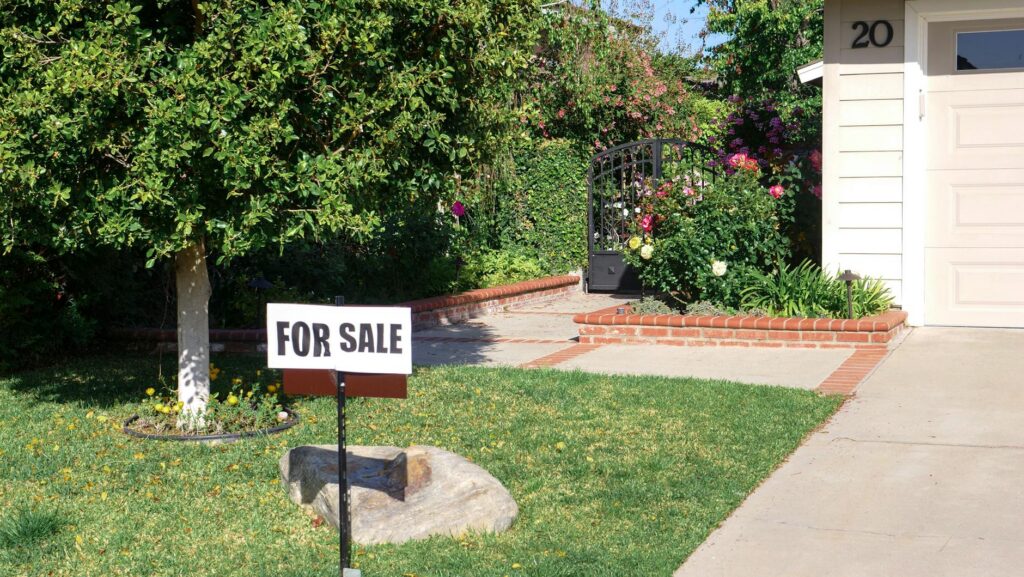
House hacking lets you purchase a property while having tenants pay your mortgage, essentially living rent-free. By renting out portions of your home to cover or exceed your housing costs, you can build equity while minimizing your personal expenses. This proven real estate strategy transforms your primary residence into an income-generating asset.
What Is House Hacking and How Does It Work
House hacking is a real estate investment strategy where you purchase a multi-unit property—or a single property with rentable space—and live in one unit while renting out the others. The rental income from your tenants covers your mortgage payment, property taxes, insurance, and maintenance costs, allowing you to live essentially for free.
The most common house hacking scenarios include:
- Duplex or Multi-Unit Properties: Buy a two-to-four unit building, live in one unit, and rent the others
- Single-Family Homes with ADUs: Purchase a house and rent out an accessory dwelling unit (ADU) or detached unit on the property
- Roommate Strategy: Buy a larger single-family home and rent out bedrooms to roommates
- Basement or Guest House Rentals: Finish a basement or build a guest house and collect rental income
The key principle is simple: your tenants’ rent should ideally exceed or match your total monthly housing expenses. This approach allows you to build wealth through equity appreciation and tenant-paid principal paydown while living in your property. As a bonus, you may qualify for favorable owner-occupied mortgage rates while building a rental portfolio.
Financial Benefits and Wealth-Building Potential
House hacking offers multiple pathways to financial growth that traditional renting cannot match.
Mortgage Principal Reduction: Every rent payment your tenants make goes toward paying down your mortgage principal. Over 10-15 years, tenants effectively help you build substantial home equity. This forced savings mechanism requires no discipline on your part—it happens automatically each month.
Property Appreciation: While you’re living affordably, your property appreciates in value. Real estate historically appreciates at rates matching or exceeding inflation. A $300,000 property appreciating at 3% annually gains $9,000 in value per year—money you didn’t have to earn directly.
Tax Advantages: As a landlord, you can deduct mortgage interest, property taxes, insurance, repairs, property management fees, and depreciation on the rental portions of your property. These deductions can significantly reduce your taxable income. Consult a tax professional about how these benefits apply to your situation.
Leverage Benefits: House hacking lets you control a valuable asset (often $300,000+) with only 5-20% down. If your property appreciates 5% annually with 20% down, you’re earning a 25% return on your invested capital—far exceeding stock market returns.
Credit Building: Successfully managing rental income and mortgage payments builds excellent credit history, improving your borrowing capacity for future investments.
Common House Hacking Strategies for Different Properties
The Duplex Strategy: This is the most straightforward approach for beginners. Purchase a duplex, live in one unit, and rent the other. Your neighbor’s rent covers a significant portion of your housing costs. Many duplex mortgages qualify for owner-occupied rates since you’re living in one unit. This strategy works best in markets where rental income significantly exceeds mortgage payments.
The ADU Strategy: Accessory dwelling units have exploded in popularity as zoning laws relax. Purchase a property with an existing ADU—or build one—and rent it separately. Single-family home buyers often find ADU rentals more acceptable than renting rooms in a house. ADU rental income tends to be substantial relative to the investment required.
The Roommate Strategy: Buy a larger single-family home and rent bedrooms to roommates. This maximizes rental income per square foot in many markets. However, it requires active management and landlord involvement. You’ll live alongside your tenants, so communication and clear rules matter. This strategy works best for disciplined investors willing to manage tenants actively.
The Lease-to-Own Strategy: Some investors purchase properties and lease them to eventual buyers. During the lease period, you collect rent while the tenant builds credit toward purchase. This combines cash flow with eventual capital gains.
Each strategy has distinct management requirements and profitability profiles. Your local market conditions, zoning laws, and available properties will determine which approach makes sense for your situation.
Calculate Your House Hacking Potential
Before committing to a house hacking strategy, determine whether the numbers actually work for your situation. Use our Rental Income Calculator to estimate monthly cash flow. Input your expected mortgage payment, property taxes, insurance, and maintenance costs against projected rental income to see if the property generates positive cash flow or covers your housing expenses.
This critical step prevents costly mistakes and helps you identify properties with genuine wealth-building potential.
Frequently Asked Questions
Can I get an owner-occupied mortgage rate while house hacking?
Yes, if you occupy one unit as your primary residence. Most lenders offer owner-occupied rates for 2-4 unit properties where you live in one unit. You must intend to live there as your primary residence at closing. Owner-occupied rates are typically 0.25-0.75% lower than investor rates, translating to thousands in annual savings on a mortgage.
What happens if tenants don’t pay rent or leave?
Vacancy and non-payment are real risks in house hacking. Your personal housing costs don’t pause when rental income stops. Build an emergency fund covering 6-12 months of expenses before house hacking. Screen tenants thoroughly with credit checks, income verification, and rental history. Establish clear lease agreements and understand your local eviction laws. Many successful house hackers maintain separate savings specifically for vacancy periods.
Is house hacking considered investment property or primary residence?
The unit you occupy is your primary residence; rented units are investment property. This classification affects tax treatment, lending terms, and insurance. Your primary residence portion qualifies for owner-occupied mortgage benefits and primary residence tax exclusions. The rental portion receives investment property tax benefits like depreciation and expense deductions. Your accountant can clarify how these distinctions affect your specific situation.
Related: climate risk property values 2025
Related: real estate investing for beginners
Related: cap rate calculator analysis
Related: house hacking live for free
Related: climate risk property values 2025
Related: home buying costs to budget
Related: home closing costs calculator
Related: short sale vs foreclosure
Related: cap rate for rental properties
Related: evaluate rental property worth
Related: rental property cash flow calculator
Related: fixed vs adjustable rate mortgages
Related: jumbo loan requirements
Related: real estate ROI calculator
Related: seller concessions in real estate
Related: mortgage pre-approval guide
Related: calculate house affordability
Related: estimate home value using comps
Related: debt-to-income ratio requirements
Related: buying a home in 2025
Related: calculate real estate return on investment
Related: mortgage payment calculators
Related: mortgage calculator guide
Related: FHA vs conventional loans
Related: refinance your mortgage
Related: mortgage calculator for home purchase
Related: rental property cash flow calculator
Related: seasonal real estate ROI guide
Related: seasonal mortgage savings tips
Related: FHA vs conventional loans
Related: rental property cash flow calculator
Related: real estate ROI seasonal guide
Related: down payment requirements guide
Related: calculate home equity and uses
Related: earnest money and refundability
Related: calculate rental property cash flow
Related: mortgage amortization explained
Related: home break-even point calculator
Related: interest rate changes home prices
Related: buying vs renting financial comparison
Related: investing with no money down
Related: beginner guide to house hacking
Related: run numbers on rental property
- BiggerPockets Pro Membership — Essential for house hackers to access advanced investment analysis tools, market data, and a community of real estate investors sharing strategies and deal analysis.
- Landlord Software & Property Management Tools (AppFolio) — Critical for managing multiple tenant relationships, rent collection, and maintenance requests when house hacking with multiple units or tenants.
- Real Estate Investment Books Bundle (Amazon) — Educational resources like ‘The House Hacking Strategy’ and similar books help beginners understand the nuances of property selection and tenant management for house hacking success.
Related: What is House Flipping and How Does It Work?
Related: House Hacking: Live Rent-Free With Real Estate Strategy