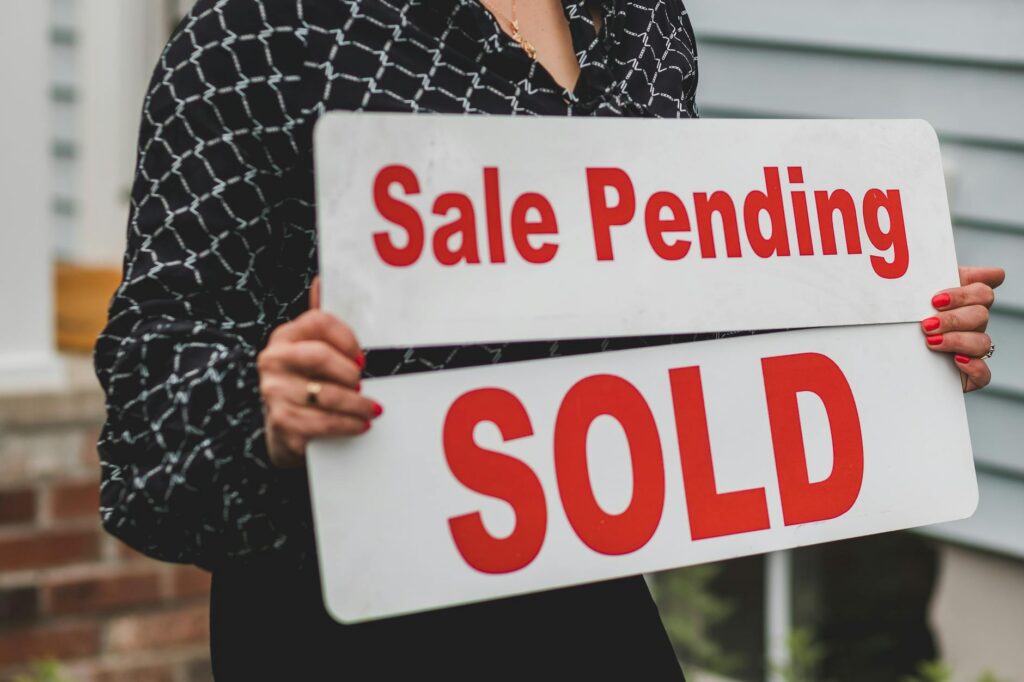
Foreclosures and short sales represent legitimate real estate investment opportunities where you can potentially acquire properties below market value. These distressed properties appeal to investors because they offer entry points with lower acquisition costs, though they come with their own set of risks and complexities. Understanding how each works helps you identify which strategy aligns with your investment goals and risk tolerance.
What Are Foreclosures and Short Sales?
A foreclosure occurs when a homeowner fails to make mortgage payments, and the lender takes back the property to recover their losses. The lender then sells the property, often through an auction or real estate listing. Short sales happen when a homeowner owes more on their mortgage than the home is worth, and the lender agrees to accept less than the full loan balance to avoid foreclosure.
The key difference lies in who controls the sale. In foreclosures, the lender drives the process and timeline. In short sales, the homeowner lists the property, but the lender must approve any offer below what’s owed. Both scenarios create pricing inefficiencies that savvy investors can exploit.
Foreclosure timelines vary by state and can take anywhere from 3 to 12 months. Short sales typically move slower—often 2 to 6 months or longer—because lender approval adds complexity. As an investor, understanding these timelines helps you plan cash flow and holding costs accurately.
Investment Benefits and Profit Potential
The primary appeal of distressed properties is acquisition price. Properties in foreclosure or short sale often sell 10% to 30% below fair market value, giving you immediate equity or renovation upside. This discount creates three paths to profit:
Fix-and-flip strategy: Buy below market, renovate, and resell quickly. Your profit margin comes from the purchase discount plus value added through improvements. Calculate your renovation budget carefully—underestimating repairs kills returns on these deals.
Rental income strategy: Purchase below market value to improve your cash-on-cash return and cap rate. If you buy a property worth $250,000 for $200,000, your down payment basis is lower, improving annual returns. Distressed properties also give you negotiating leverage with tenants and contractors during renovation.
Hold-and-appreciate strategy: Buy in emerging neighborhoods during foreclosure activity, hold for 5-10 years, and benefit from long-term appreciation plus equity buildup. This works best in areas with job growth or planned development.
Beyond price, distressed sales often have fewer competing offers. While everyone wants a move-in-ready home, fewer investors target properties needing work, reducing competition and allowing you to negotiate better terms.
Risks and Challenges You Must Understand
Lower purchase prices come with legitimate trade-offs. Most distressed properties sell “as-is,” meaning you inherit whatever problems exist. Foundation issues, roof damage, mold, code violations, or environmental problems could cost thousands to remediate.
Hidden costs extend beyond repairs. Foreclosed properties may have liens, unpaid property taxes, HOA assessments, or utility arrears that transfer to you. Always conduct a thorough title search and property inspection before making an offer. In short sales, the process moves slowly while you’re holding carrying costs—taxes, insurance, utilities, and your own opportunity cost.
Financing distressed properties also proves harder. Many lenders won’t finance properties in poor condition or with title issues. You may need cash, hard money loans, or private lending—all more expensive than traditional mortgages. Factor this higher cost into your profit calculations.
Finally, emotional sellers in short sale situations sometimes sabotage the property or delay decisions, extending your timeline and costs. Foreclosure purchases at auction require cash-only funds and immediate settlement, with no inspection period.
How to Evaluate and Price Distressed Deals
Successful distressed property investing relies on accurate financial analysis. Start by determining the property’s after-repair value (ARV)—what it will be worth once fully renovated. Compare recent sales of similar properties in the same condition and neighborhood.
Next, estimate all costs: purchase price, repairs and renovations, carrying costs (mortgage interest, taxes, insurance, utilities), selling costs (realtor commissions, closing costs), and your holding period. Many investors use the 70% rule: offer no more than 70% of the ARV minus total estimated costs. This formula protects your profit margin.
For rental properties, focus on cap rate and cash-on-cash return rather than just purchase discount. A great deal on price means nothing if the property doesn’t generate sufficient rental income to justify your capital investment and risk.
How to Use the Calculator
Running accurate numbers is critical for distressed property deals. Use our Fix and Flip Calculator to model your renovation project, factor in carrying costs, account for selling expenses, and calculate your actual profit margin. This tool helps you compare multiple deals side-by-side and avoid common underestimation mistakes that kill investment returns.
FAQ: Foreclosures and Short Sales
Can I inspect a foreclosure property before buying at auction?
No. Properties sold at foreclosure auction are sold “as-is” with no inspection period. You must conduct your own exterior inspection and research before the auction. Many investors skip the auction and instead buy from lenders’ post-auction inventory, where they can negotiate terms and sometimes get a brief inspection period. This trade-off means paying slightly more but gaining certainty.
How long does a short sale take from offer to closing?
Most short sales take 60 to 120 days minimum, but many stretch to 6 months or longer. The lender must approve the sale price, verify the homeowner’s hardship, and process paperwork. During this waiting period, you’re carrying costs without confirmation the deal will close. Always account for this extended timeline in your financial projections.
What’s the difference between the bank-owned foreclosure process and buying from a seller in short sale?
Bank-owned (REO) properties are already owned by the lender and listed through real estate agents—you negotiate like a normal purchase but may find the bank inflexible on terms. Short sales involve negotiating with a homeowner who must get lender approval, adding complexity but sometimes creating negotiating room. Bank-owned deals typically close faster; short sales offer better price negotiation potential.
Related: foreclosures and short sales investments
Related: ARM vs fixed rate mortgages
Related: mortgage calculator guide
Related: closing costs calculator guide
- Real Estate Investment Calculator Software — Directly complements the blog’s focus on analyzing foreclosure and short sale deals; helps investors calculate ROI, cash flow, and acquisition costs for distressed properties
- Real Estate Investing Books Bundle — Readers learning about foreclosure strategies and distressed property investing will benefit from educational resources covering market analysis, negotiation tactics, and risk management
- Property Inspection & Assessment Tools — Essential for investors evaluating distressed properties; helps assess structural issues and repair costs that directly impact investment profitability on foreclosures and short sales
Related: Short-Term Rentals vs Long-Term Rentals: Which Makes More Money