House flipping involves purchasing undervalued properties, renovating them strategically, and reselling for profit. Success requires thorough property analysis, accurate cost calculations, reliable financing, skilled contractors, and realistic profit margins. Using real estate calculators helps determine ROI before investing. (Related: How Rising Mortgage Rates Affect Home Affordability: Calculator Guide for Buyers) (Related: The Complete Guide to Home Buying Costs: What to Budget and How to Calculate Them) (Related: Closing Costs Calculator: Your Complete Guide to Understanding Real Estate Settlement Fees) (Related: How Rising Mortgage Rates Impact Home Affordability: Calculator Tools for Buyers) (Related: Closing Costs Calculator: What Buyers & Sellers Must Know) (Related: Today’s Fixed Mortgage Rates: A Complete Guide for 2024 and Beyond)
What is House Flipping?
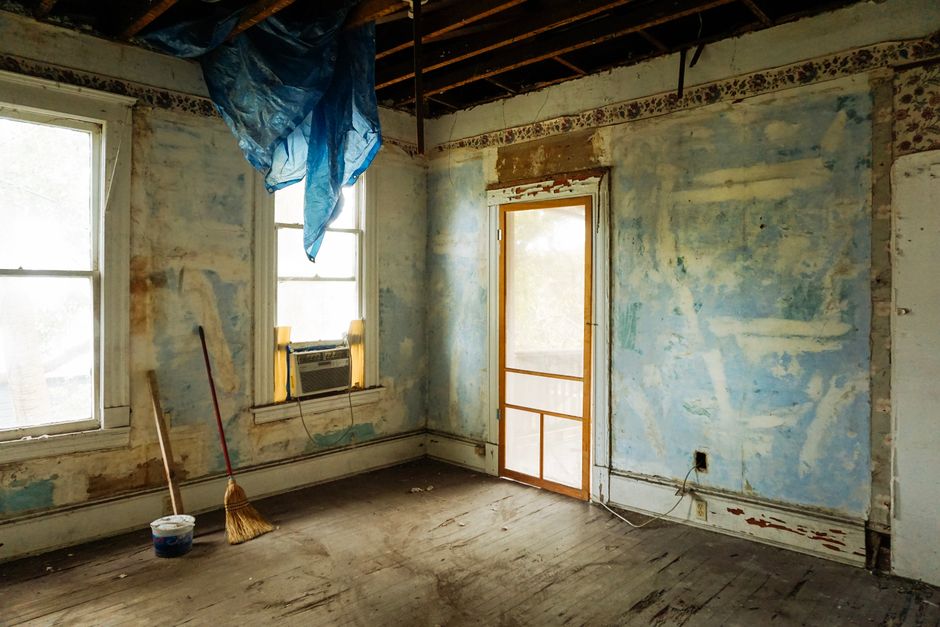
House flipping is a real estate investment strategy where you buy a distressed or undervalued property, improve it through renovations, and sell it at a higher price within a short timeframe — typically 3 to 12 months. A sound house flipping strategy balances purchase price, rehab costs, holding costs, and resale value to generate a meaningful profit.
According to HUD, housing rehabilitation programs and investment activity significantly impact local housing inventory and affordability — which means flippers play a real economic role in neighborhoods when done responsibly.
Successful flippers aren’t gamblers. They’re disciplined analysts who run the numbers before making any offer. That discipline starts in Step 1.
How much money do you need to start flipping houses?
Most first-time flippers need between $20,000 and $50,000 minimum in liquid capital to cover a down payment, closing costs, and initial renovation expenses — even when using financing. Hard money loans typically require 10–20% down, and lenders often want to see 6 months of reserves. Cash buyers can enter for the full purchase price plus rehab budget. Budget conservatively: underestimating costs is the #1 reason flips fail.
Step 1: Find and Analyze Potential Properties
Target properties that are priced below market value due to cosmetic distress, deferred maintenance, or motivated sellers — not structural problems. Search foreclosure listings, probate sales, tax-delinquent properties, and wholesalers. Drive neighborhoods to find properties that look neglected but are in solid locations.
Analyze comparables (comps) within a half-mile radius, sold within 90 days, with similar square footage. Your After Repair Value (ARV) is only as reliable as your comp data. Overestimating ARV is one of the most expensive mistakes in this real estate flipping guide.
Step 2: Calculate Your Numbers and Costs
Before making any offer, calculate every cost involved. This is where a house flipping calculator becomes essential. Your total cost stack includes:
- Purchase price
- Closing costs (typically 2–5% of purchase price)
- Renovation budget (always add a 10–15% contingency)
- Holding costs (loan interest, taxes, insurance, utilities)
- Selling costs (agent commissions, staging, transfer taxes)
Your target profit should be baked in before you make an offer — not hoped for after the fact.
What is the 70% rule in house flipping?
The 70% rule states that an investor should pay no more than 70% of the ARV minus estimated repair costs. For example: if a home’s ARV is $250,000 and repairs cost $40,000, the maximum purchase price would be ($250,000 × 0.70) − $40,000 = $135,000. This rule builds in a margin for holding costs, selling costs, and profit. It’s a quick screening tool — not a substitute for detailed analysis.
Step 3: Make an Offer and Negotiate
Use your calculated maximum allowable offer (MAO) as a ceiling, not a target. Start lower. Motivated sellers — especially those in foreclosure or probate situations — often have flexibility on price, closing timelines, or contingencies. Including an inspection contingency gives you an exit ramp if the property reveals unexpected structural issues.
Get a licensed inspector and, if needed, a structural engineer on-site before removing contingencies. Surprises during renovation kill profit margins fast.
Step 4: Secure Financing and Close
Common financing options for house flippers include:
- Hard money loans: Asset-based, fast approval, higher interest rates (8–14%)
- Private money lenders: Individual investors, flexible terms
- Home equity lines of credit (HELOC): Lower rates if you have existing equity
- Cash: Fastest close, strongest negotiating position
Factor your financing cost into your holding cost calculation. A 6-month flip with a $150,000 hard money loan at 12% annually adds roughly $9,000 in interest alone — before points and fees.
Step 5: Plan Your Renovations
Focus renovations on what moves the needle for buyers: kitchens, bathrooms, curb appeal, and functional systems (HVAC, electrical, plumbing). Don’t over-improve for the neighborhood. If comparables are selling at $280,000, installing $60,000 in luxury finishes won’t push your sale price to $340,000.
Create a detailed scope of work before hiring contractors. Get at minimum three written bids. A written scope protects you legally and keeps contractors accountable to a budget and timeline.
Step 6: Execute the Renovation
Time is money in house flipping. Every additional week of holding costs eats into profit. Establish a project timeline with milestone dates and hold contractors to them. Visit the site regularly, verify work quality before making draw payments, and keep a renovation log with photos.
Order materials and fixtures before work begins to prevent delays. Permitting timelines vary significantly by municipality — pull permits early and never skip them. Unpermitted work surfaces in buyer inspections and can kill a deal or create legal liability post-sale.
Step 7: List and Sell Your Flipped House
Price strategically using your updated comps. A property that sits on the market more than 30 days raises buyer skepticism and often results in lowball offers. List at or slightly below the top of your comp range to generate competitive interest.
Stage the property — even modestly. According to HUD’s housing program resources, move-in ready homes with appealing presentation sell faster and closer to asking price than vacant, unstaged properties. Professional photography is non-negotiable.
House Flipping Tools and Calculators
Running accurate numbers is the backbone of every successful steps to flip a house strategy. Use a dedicated house flipping calculator to model your ARV, repair costs, holding costs, and projected profit before committing to any deal. At RealEstateCalcPro.com, you’ll find free real estate calculators designed specifically for investors — helping you stress-test deals, apply the 70% rule automatically, and compare financing scenarios side by side. Running the numbers first is how experienced flippers avoid costly mistakes.
Common House Flipping Mistakes to Avoid
- Overestimating ARV: Use only recent, nearby, truly comparable sales.
- Underestimating renovation costs: Always add a contingency buffer of at least 10–15%.
- Skipping due diligence: Never waive inspections to win a deal.
-
Recommended Resources:
- Real Estate Investment Calculator Software — Directly complements the post’s emphasis on using calculators for ROI analysis and property valuation before flipping investments
- House Flipping & Real Estate Investment Books — Supports readers looking to deepen knowledge on the 7-step proven guide methodology and successful flipping strategies
- Construction & Renovation Cost Estimating Tools — Essential for the post’s focus on accurate cost calculations and strategic renovation planning to maximize profit margins
Related: How to Flip Houses Successfully: 7 Proven Steps for 2026