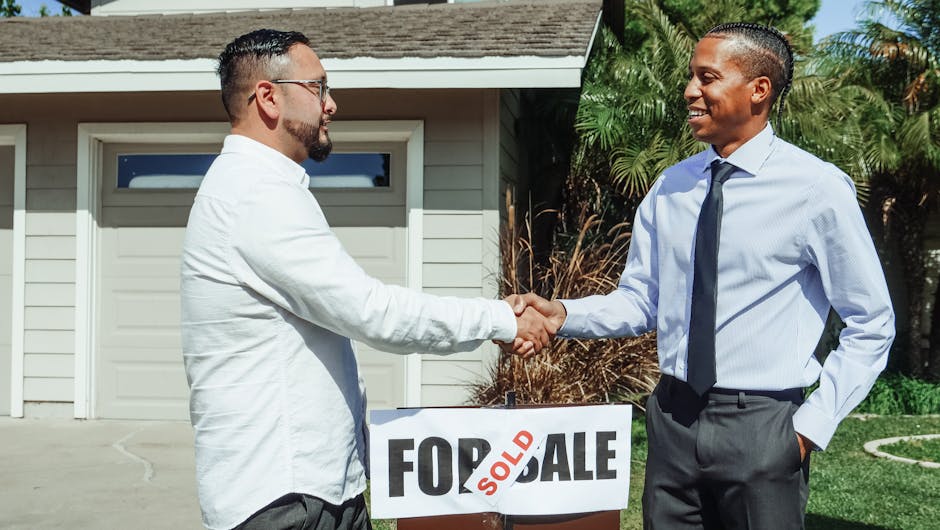
To negotiate a home price, research comparable sales, get a pre-approval letter, submit a competitive offer below asking price, include favorable contingencies, and be prepared to walk away. Work with a real estate agent to understand market conditions and leverage inspection results to strengthen your negotiating position. (Related: 2026 Housing Market Predictions: What Real Estate Investors Should Know – Calculator Tools for Scenario Planning) (Related: Property Tax Calculator: Estimate Your Annual Tax Bill Fast) (Related: How to Use a Real Estate Investment Calculator Effectively in 2026: The Complete Guide) (Related: How Rising Mortgage Rates Affect Home Affordability: Calculator Guide for Buyers) (Related: The Complete Guide to Home Buying Costs: What to Budget and How to Calculate Them) (Related: Closing Costs Calculator: Your Complete Guide to Understanding Real Estate Settlement Fees)
Understanding the Housing Market Before You Negotiate Home Price
Knowing whether you’re in a buyer’s or seller’s market is the single most important factor when learning how to negotiate home price when buying. According to HUD’s homebuying guidance, understanding local market conditions is a foundational step before making any offer.
In a buyer’s market — where inventory is high and homes sit longer — you have significantly more leverage. In a seller’s market, you may have little room to negotiate on price but can still work on terms like closing costs or repair credits.
Start by pulling recent comparable sales (comps) within a half-mile radius of the property, sold within the last 90 days. If similar homes are selling at 97–98% of list price, your opening offer strategy should reflect that. If homes are selling below asking, you have a real opportunity to negotiate meaningfully.
Named statistic: According to the National Association of Realtors, in 2023 the typical home sold for approximately 100% of its list price in competitive metros — but in slower markets, buyers negotiated discounts of 3–5% off asking price on average.
What is a good strategy for negotiating home price?
A strong home price negotiation strategy combines market data, financial readiness, and emotional discipline. Start with a pre-approval letter to show you’re a serious buyer. Then anchor your offer to comps, not the list price. Identify the seller’s motivation — a relocation deadline or vacant home often signals flexibility. Finally, use inspection findings as a second negotiation opportunity after your initial offer is accepted.
When should you negotiate the price of a house?
You can negotiate at two key moments: when submitting your initial offer, and again after the home inspection. The initial offer is your primary opportunity to negotiate below asking price. The inspection period is your second window — if the inspector uncovers deferred maintenance, HVAC issues, or a roof nearing end of life, you can request a price reduction or seller-paid repair credit. Don’t miss either window.
Key Negotiation Tactics and Techniques to Negotiate Home Price Effectively
These home price negotiation strategies work across most market conditions and property types.
1. Anchor low but reasonably. Start 3–7% below asking price in a balanced market. Going too low (10%+ under ask) risks offending the seller and ending negotiations before they start.
2. Use inspection results strategically. After your inspection, itemize repair costs with contractor quotes. A $6,000 HVAC replacement becomes a concrete, defensible ask for a price reduction — not just a vague complaint.
3. Offer seller-friendly terms. Sometimes a flexible closing date, a larger earnest money deposit, or a rent-back agreement is worth more to the seller than a few thousand dollars. Offering these can offset a lower price ask.
4. Request seller concessions instead of a price cut. In some loan types, asking for closing cost concessions achieves the same financial result as a lower purchase price — and sellers may be more agreeable. Use our closing cost calculator to estimate exactly how much you need covered.
5. Know your walk-away number. Before submitting any offer, calculate your maximum comfortable payment using our mortgage payment estimator. When you know your hard ceiling, negotiations become far less emotional.
6. Create a deadline. Offers with expiration windows (24–48 hours) prompt sellers to respond rather than shop your offer around to competing buyers.
7. Respond, don’t react. When a seller counters, pause before responding. A calm, data-driven counteroffer based on comps is far more persuasive than an emotional response.
How to Use Our Calculators to Support Your Negotiating Offer on House
Numbers win negotiations. Before you submit any offer, run the math so you walk in with confidence. Our home affordability calculator helps you establish the maximum purchase price your income and debt load can support — giving you a clear ceiling before you start negotiating.
Once you have a target price, model different scenarios: What does your monthly payment look like if you negotiate the price down $10,000? What if you get $5,000 in seller concessions toward closing costs instead? Running these numbers in advance turns abstract negotiation into a specific financial decision.
Working with Your Real Estate Agent and Avoiding Common Mistakes
A skilled buyer’s agent is your most valuable asset in any negotiating offer on house situation. They have access to MLS data, know the listing agent’s communication style, and can present your offer in the most favorable light. Choose an agent who will advocate aggressively on your behalf — not one focused on closing quickly at any price.
Common negotiation mistakes to avoid:
- Revealing your budget to the listing agent. Never disclose how much you’re pre-approved for — only share what’s needed.
- Skipping the inspection to win a bidding war. Waiving inspection contingencies is high risk. If you must compete, consider a pre-offer inspection instead.
- Letting emotions drive counteroffers. If you fall in love with a home publicly, you lose leverage instantly.
- Ignoring days on market. A listing that’s been sitting 45+ days is a negotiation gift — use it.
- Accepting the first counter without pushing back. Sellers almost always expect at least one round of negotiation. A single counter rarely means “final.”
According to HUD’s single-family housing resources, buyers who understand the full purchase process — including negotiation rights and contingency protections — are better positioned to close on fair terms.
Frequently Asked Questions About How to Negotiate Home Price When Buying
How much can you typically negotiate off a home price?
In a balanced market, buyers typically negotiate 1–5% below the asking price. In a slow market with high inventory, discounts of 5–10% are achievable, especially if the home has been listed for 30+ days. In hot seller’s markets, negotiations may focus on terms rather than price reductions.
Can you negotiate a home price after the offer is accepted?
Yes — the home inspection period is your second formal negotiation window. If the inspection reveals material defects, structural issues, or deferred maintenance, you can request a price reduction, a repair credit, or ask the seller to fix specific items before closing. This is a standard and widely accepted part of the purchase process.
Does getting pre-approved help you negotiate a lower home price?
Pre-approval strengthens your negotiating position by proving you’re a qualified, serious buyer. Sellers are more willing to accept a slightly lower offer from a pre-approved buyer than a higher offer from someone with unverified financing. Pre-approval also signals you can close quickly, which has real value to motivated sellers.
Recommended Resources:
- Real Estate Agent Commission Calculator — Buyers negotiating home prices benefit from understanding agent commissions and total costs, making a real estate calculator tool directly relevant to the negotiation process.
- Home Inspection Equipment & Tools Kit — The post emphasizes leveraging inspection results to strengthen negotiating position, making a home inspection toolkit valuable for buyers wanting to identify issues before negotiating.
- Real Estate Education Course (Udemy/Coursera) — Buyers seeking to understand market conditions and master negotiation strategies would benefit from structured courses on real estate negotiation tactics and home buying.