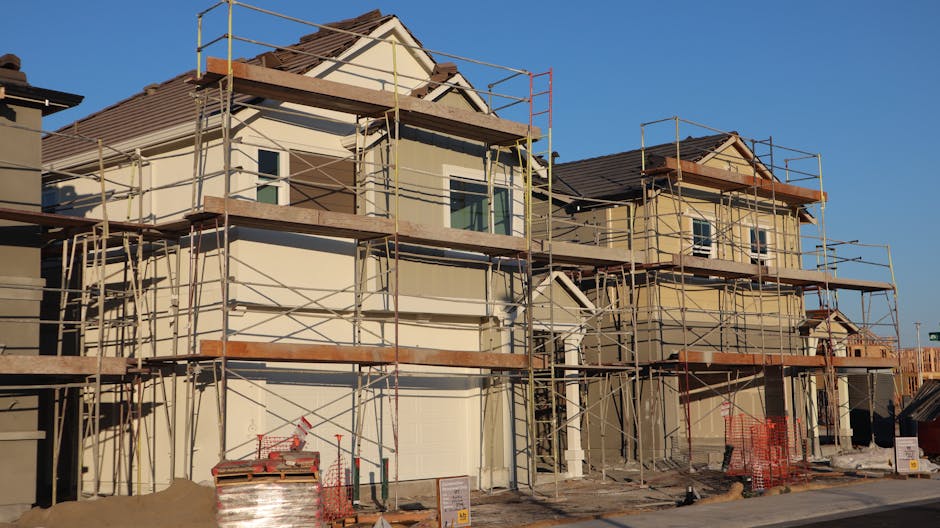
New Construction vs Existing Home: Pros and Cons
Choosing between a new construction home and an existing home is one of the biggest decisions you’ll make as a buyer. New construction offers modern amenities and warranties, while existing homes typically cost less and offer established neighborhoods. Understanding the advantages and disadvantages of each will help you make the right choice for your financial situation and lifestyle.
Advantages of New Construction Homes
New construction homes come with several compelling benefits that appeal to many homebuyers. First, you get modern energy-efficient systems, updated building codes, and the latest technology integrated throughout the home. This means lower utility bills and fewer immediate repairs—a major advantage compared to older homes with aging systems.
Builder warranties are another significant benefit. Most new construction homes come with a one-year builder warranty covering defects, and many include extended warranties on structural components lasting up to 10 years. You won’t face the surprise expenses that often plague existing home buyers.
Customization is a huge draw for new construction. You can often select finishes, layouts, and upgrades before the home is built, allowing you to create your ideal space rather than settling for someone else’s design choices. Additionally, new homes typically require minimal maintenance in the first few years, letting you avoid costly repairs right after purchase.
Financing incentives are common in new construction markets. Builders frequently offer closing cost assistance, upgraded appliances, or rate buy-downs to attract buyers, effectively reducing your out-of-pocket costs.
Disadvantages of New Construction Homes
Despite their appeal, new construction homes have notable drawbacks worth considering. The most obvious is higher price—new homes typically cost 15-20% more than comparable existing homes in the same area. You’re paying for the latest features and builder profit margins.
Location limitations represent another challenge. New construction developments are often on the outskirts of established neighborhoods, meaning longer commutes and less access to established shopping, schools, and community amenities. You may also deal with construction delays, schedule changes, or your home being built among dozens of others rather than in a settled community.
Limited inspection transparency can be problematic. While builders allow inspections, you’re examining a newly constructed property without years of performance history. Hidden defects may not surface for months or years. Additionally, homeowners association (HOA) fees in new construction developments are often higher than in established neighborhoods, and initial rates may increase substantially once the development is complete.
Resale value is less predictable. New homes depreciate quickly in the first few years, and you won’t have historical data showing how the home appreciates over time. The neighborhood itself is still developing, which adds uncertainty to your long-term investment value.
Advantages of Existing Homes
Existing homes offer distinct financial and lifestyle advantages that make them attractive to many buyers. The most immediate benefit is lower purchase price—you can often find comparable square footage and features at 15-20% less than new construction. This stretches your budget further and reduces your loan amount.
Established neighborhoods are another major advantage. Existing homes are typically located in mature communities with proven schools, shopping, restaurants, and recreational facilities. You know exactly what the neighborhood offers rather than betting on future development. Communities are stable, with established property values and predictable appreciation patterns.
Larger lots frequently come with existing homes, particularly in older neighborhoods. You may enjoy mature trees, established landscaping, and outdoor spaces that would take years to develop in new construction. This environmental maturity creates immediate curb appeal and outdoor living value.
Flexibility in customization allows you to renovate at your own pace. You can update the home gradually based on your budget and preferences, choosing exactly which improvements matter most to you. Many existing homes also appreciate steadily over time, making them reliable long-term investments with proven track records.
Disadvantages of Existing Homes
Existing homes require careful evaluation due to their age and condition. Older systems like roofing, electrical, plumbing, and HVAC may need replacement within years, potentially costing thousands. Hidden issues discovered during inspection can derail negotiations or require expensive repairs shortly after purchase.
Limited warranties are a major concern. Unlike new construction, you’re buying “as-is” with no builder backing your purchase. Any defects are your responsibility immediately after closing. Energy efficiency may lag significantly behind newer homes, leading to higher utility costs.
Renovation requirements can be substantial and expensive. Cosmetic updates like paint and flooring are manageable, but structural, electrical, or plumbing upgrades quickly become costly projects. If the home needs modernization, your total investment may exceed new construction prices.
Inspection contingencies, while protective, extend your buying process and create uncertainty. A poor inspection report can collapse a deal entirely, and you may face multiple inspection visits and negotiations.
How to Compare Costs: Use Our Affordability Calculator
Making the right decision requires understanding your financial capacity for both purchase price and ongoing costs. Our home affordability calculator helps you determine how much home you can actually afford, accounting for your income, debt, down payment, and local interest rates. This tool provides realistic numbers for both new and existing homes, helping you compare true costs beyond just the purchase price.
Frequently Asked Questions
Is new construction a better investment than an existing home?
Neither is inherently better—it depends on your priorities. New construction is better if you want modern features, minimal maintenance, and customization. Existing homes win if you prioritize affordability, established neighborhoods, and proven appreciation. Consider your timeline, budget, and long-term goals when deciding.
What should I inspect more carefully in an existing home?
Focus on major systems: roof condition (age and remaining lifespan), electrical panel and wiring, plumbing condition, foundation integrity, HVAC system age, and water damage signs. These items are expensive to replace and should be thoroughly evaluated by a professional home inspector.
Can I negotiate prices more easily with existing homes?
Generally yes. Existing homes are negotiable based on inspection results, market conditions, and how long they’ve been listed. New construction builders have less flexibility since pricing is standardized, though closing cost assistance and upgrades are common negotiation points in new construction markets.
- Home Inspection Equipment Kit — Essential for buyers evaluating existing homes to identify structural issues, outdated systems, and needed repairs before purchase.
- Real Estate Investment Analysis Software — Helps buyers compare total cost of ownership between new construction and existing homes, calculating mortgages, taxes, and maintenance costs.
- Home Warranty Plans (First American/American Home Shield) — Directly addresses the warranty advantage discussed for new construction by offering comparable protection plans for existing home buyers.